A New Generation of Caregiving
Caregiving has never been easy for any generation. The word itself has an inherent context of high physical and emotional demands. Add in managing family relationships and financial weight to caregiving, and the results can be exhausting and the weight just grows heavier.
Generation X and Millenials have come to place the practice of balance as one of the highest values of their generations. While caregiving by any generation in the past or present takes a toll on the respective parties Gen X and Millenials are trying new emotional and technological tools to help ease the burden on them both physically and emotionally.
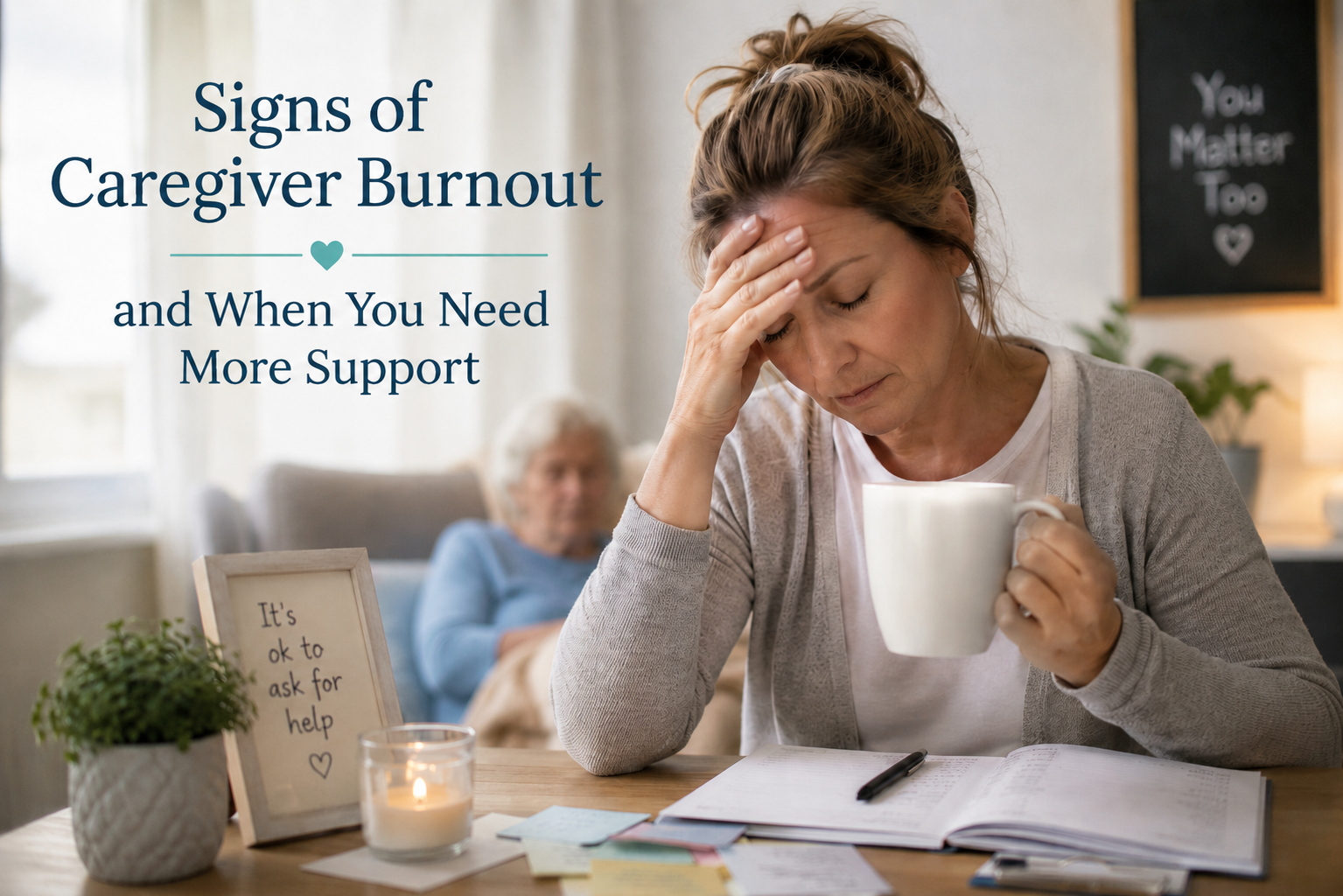
Caregiving is not just the act of attending to someone else’s health needs, but it can become a silent exhaustion that creeps in just when you think you have a grip on what is needed in the caregiver role. All of a sudden, the hours become longer, the tasks are relentless, the doctor’s visits become more frequent and more laborious to manage, and there’s no pause button.
Then the emotional toll of seeing a loved one’s health decline, especially a parent. Feelings of helplessness and self-doubt out of nowhere. There are endless and seemingly unanswered questions like, “Am I doing enough?” “Am I making the right choices?” “What will tomorrow bring?”
The burden is not just physical such as assisting with daily activities or managing medications, but mental as caregivers navigate unpredictable stress, fear of the future, and grief, even before it fully arrives.
Financial? Ugh…as an American, we cannot deny the strain that caregiving can add as another pressure. They find themselves juggling bills, working fewer hours at their own job to meet the demands of their loved one needs and begin to forego personal goals to focus on the immediate needs of a loved one.
Its one crisis and fire after another. In an attempt now, Generation X and Millenials are move educated wishing to not lose themselves or their own families while lending themselves as caregivers. They want to decrease the aspects they say caregivers in the past sacrifice their own health, social life and peace of mind during the whirlwind of caregiving.
And from this evolution, has been born some answers and resources that also define these generations in values and resources. They have implemented these into the roles of caregiving to decrease the demands and redistribute balance.
The Fresh Perspective of the New Generations of Caregiving
Call it a blend of practicality, emotional awareness, and technology. Caregiving is becoming more modern, even digital while remaining deeply human and loyal at its core. Maybe, even safer for all involved.
How Technology Is Powering a New Era of Family Care
We all know it is pretty hard to keep up with technology. Now, enter AI, and the growth has Smartphones, Apps, and Voice Assistants/Guides are now part of daily care routines. With AI technology we can only assume the trajectory of caregiving will experience even more unprecedented growth. My guess, is more than our minds can even comprehend.
Generation X and Millenials are generations may be the first caregiving generations really willing to incorporate technology. There has been more ease with the use, as we have been immersed in technology for years now, and are used to growth and change in this area. It does not scare us. We will give it a try.
Important to remember, AI is not just enhancing care, it may revolutionize it. AI also has the potential to make caregiving more personalized and intentional. Offering real-time solutions at our fingertips, specific to meeting the patient and caregiver exactly where they are in terms of their respective needs.
This is less about making a statement with tech, but rather purposeful with the intention of relieving stress burden, caregiving resources locators and instructions, connection, and safety.
From Solo Struggle to Team-Based Caregiving
Due to foreseen challenges and changing values, Gen X and Millennials are moving away from traditional solo caregiving, opting instead for a more modern team-based approach driven by today’s challenges, while safeguarding familial and cultural values.
These generations find themselves working two full-time jobs per couple, expected that they be more present and active in raising children and their activities. Attempting to take on solo caregiving is just not realistic in today’s workld.

We see again, technology taking the lead by enabling caregivers to coordinate tasks easily through shared calendars, apps, and remote monitoring.
This collaborative model not only helps distribute the workload but also reduces burnout by allowing multiple family members or hired professionals to share caregiving responsibilities. Something we also see Gen X and Millenials insisting on from other family members. They are saying they cannot do it alone, and asking others to take shifts.
Gen X and Millennials know the toll solo caregiving may take on their mental health and physical well-being. Both generations know that by building a support network, they can protect their own mental and physical health.
In addition, financially, a team approach is often more sustainable for the long-term by pooling resources together. This collective approach makes it easier to afford professional services when needed. So, the shift toward shared caregiving reflects a cultural move toward community and collective responsibility, making caregiving more manageable and balanced for everyone involved.
Instead of shouldering all the responsibility, caregivers are creating team-based systems, which can also include private and public assistance, caregiving aides and skilled home care for a short time.
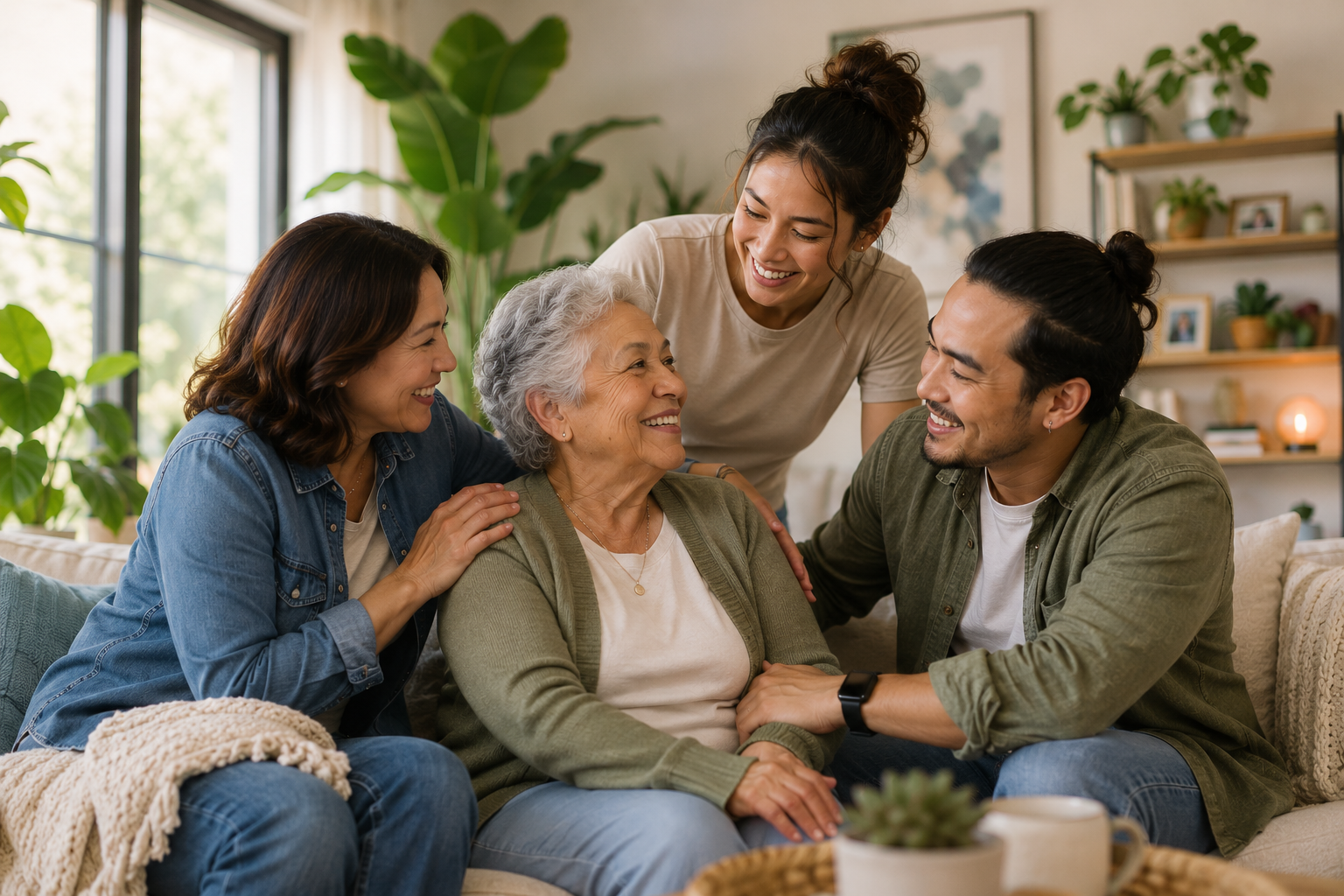
We see siblings coordinating calendars, neighbors offering to lend a hand, and then supplementing private and professional services brought in as needed.
Protecting Mental Health in the Caregiving Journey
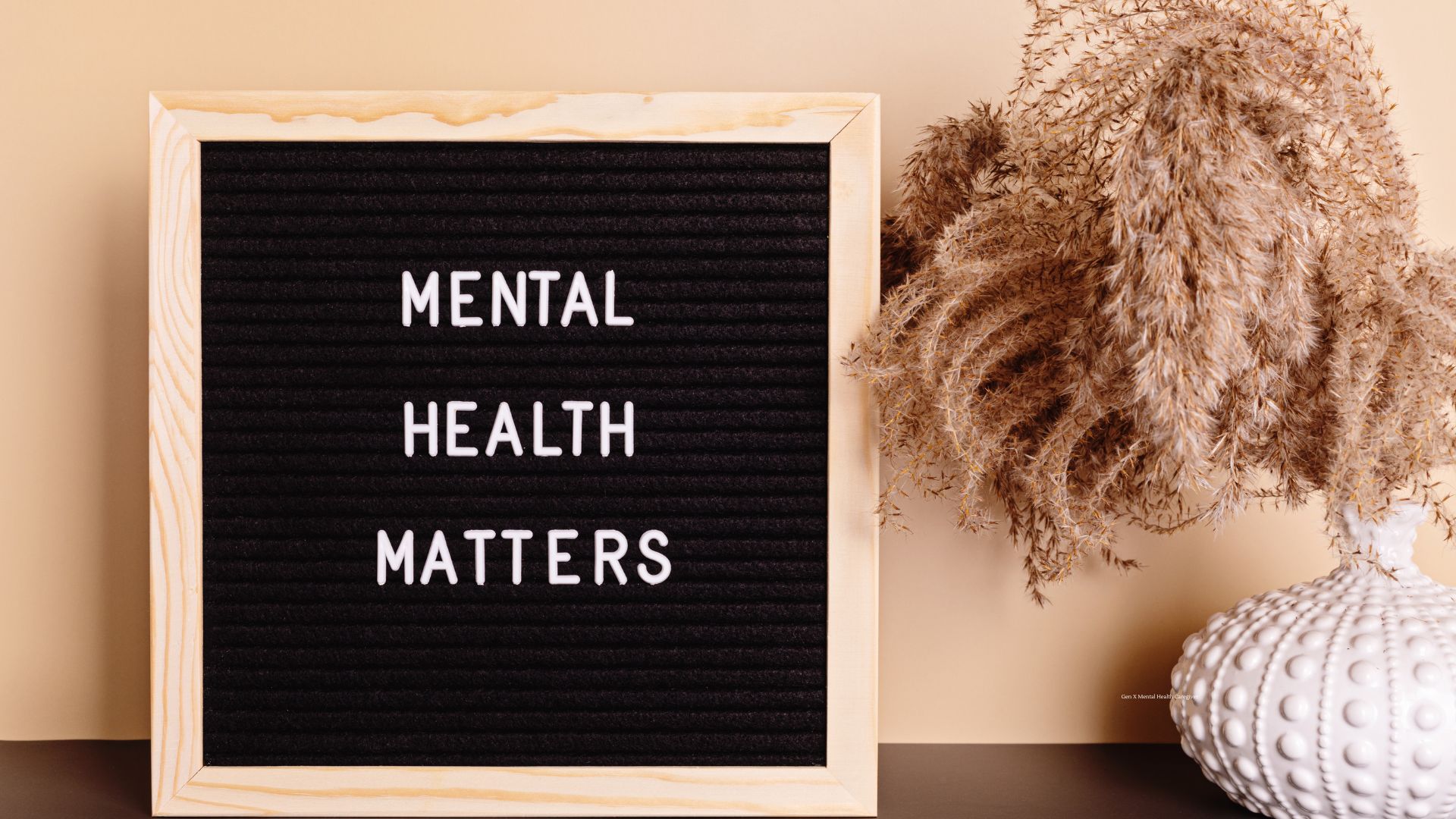
Caregiver burnout is real, and younger caregivers are speaking up about it, and protecting or caring for their own mental health. They will fight to carve out time for themselves for that self-care. Younger caregivers seek support and set boundaries and limitations to protect their peace.
They spread the message with the help of social media, and shouting out that taking care of yourself is not selfish – in fact, it is essential for sustainable for long-term goals.
Inclusive and Culturally Sensitive Caregiving
The modern caregivers are increasingly their support for diverse family structures. They include not only “traditional” biological families but those that reflect evolving social norms, such as chosen families. This can include not only caring for aging parents, partners and close friends
More so, Gen X and Millenials will acknowledge that each person’s needs are unique and to be respected. Many do not even realize they are doing this, but they are creating their own “care plans” that go beyond typical traditional families and support diverse family structures. This implementation into the care plans reflects the evolving social norms to include diversity.
And when Gen X and Millennial caregivers are caring for another person, they instinctively are more aware of considering the cultural backgrounds, personal identities, and values of those they care for. Whether it’s incorporating cultural practices or simply ensuring that care reflects a person’s sense of self, the goal is to create a holistic caregiving experience that preserves the personhood and autonomy of those being cared for. This personalized approach ensures that the caregiving process is respectful and attuned to the individual’s life experiences, beliefs, and cultural customs.
Caregiving is a deeply human experience that will test your skills beyond what they thought was even more challenging then their parenting years slowly in the rear window. The younger caregiving generation today is a balance of respecting the dignity of this older person standing in front of them who has their own strong ideas, personality, wishes and values that may differ to the caregiver. This can create strife and friction as the caregivers and loved one travel this journey together.
Therefore, dignity and respect cannot be overstated for both sides here. Caregiving in the past was very much centered around the loved one who is aging. We saw previous generations sacrificing themselves as they became the caregiver that could become draining almost every area of their life. No more…the younger generations are rising up and shouting out their needs are important also.
In other words, the caregiver is recognizing the caregiver and soul-sucking vortex they have witnessed from family and friends in the past and are attempting to assemble mutual respect making sure that protecting their physicality and mental health.
Future Caregiving – A Shift Toward Sustainable, Connected Care
No one ever plans for the caregiving journey. The Gen X and Milllenial generations are reshaping how they care for each other and all involved with compassion, creativity, tools and supplemental services.
They are blending technology with good old-fashioned teamwork and open conversations that lighten the emotional weight we rarely talk about. They are not taking it all on one set of shoulders; they are requesting help in order to protect their own needs.
The truth is, that caregiving will always be demanding, but it doesn’t have to be lonely. These younger generations are now proving that when we share the load through family, friends, or even smart devices, we make room for respect, meet physical needs, and of course, the human connection that caregiving calls for.