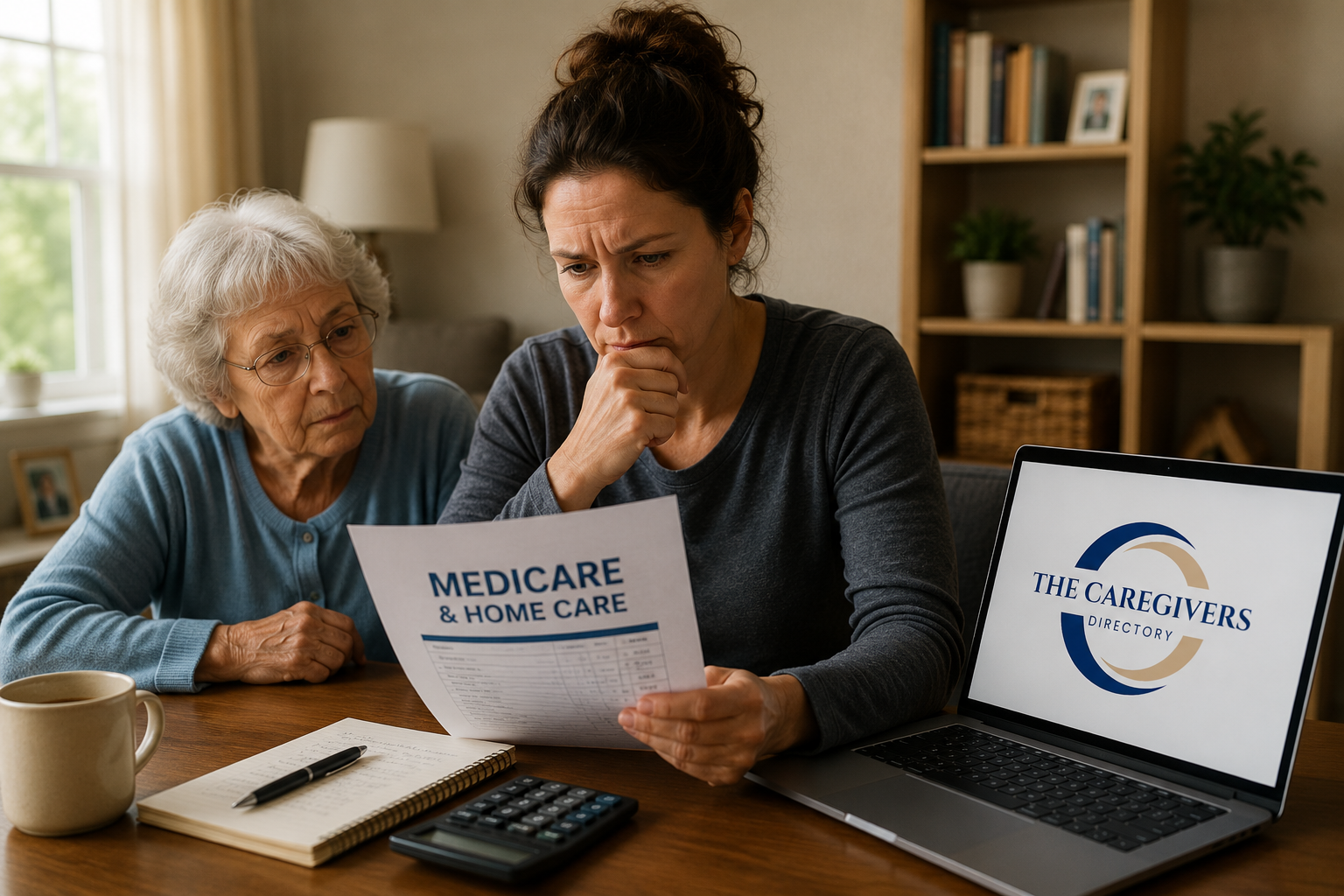

Caregiver burnout does not happen because someone is weak, selfish, or no longer loving. Burnout develops when one person carries too much responsibility for too long without enough rest, guidance, support, or relief. In many ways, it reflects the failures of our healthcare system, long-term care system, workplace culture, and community support systems.
After her 88-year-old mother’s second fall, Erin left her retail job and moved back into her childhood home to care for her full-time. Her mother did not qualify for Medicaid aide services, and private-duty care was expensive. Slowly, the expectation became that Erin would “step in” because she was divorced, her children were older, and she seemed more available.
At first, she thought she could manage it.
But caregiving quickly became all-consuming.
There were meals, medications, appointments, therapy visits, insurance calls, equipment orders, and constant worry. Erin became afraid to leave her mother alone, even briefly.
Soon, she stopped seeing friends. She stopped scrapbooking. She gained weight, became exhausted, and emotionally numb. More than anything, she missed feeling like herself.
When people asked how she was doing, she could only say:
“I’m overwhelmed.”
Sound familiar?
What Is Caregiver Burnout?
Caregiver burnout is a state of physical, emotional, and mental exhaustion caused by the prolonged stress of caring for another person. It often develops gradually, which means many caregivers do not recognize it until they are already depleted.
Researchers often use the term caregiver burden to describe the emotional, physical, social, and financial strain caregiving can place on a person’s life. Burnout is not simply “feeling tired.” It is a warning sign that the demands of caregiving may have exceeded the support and resources available.
Burnout Is Not a Measure of Love
A caregiver can deeply love someone and still feel exhausted, angry, resentful, isolated, frightened, or trapped. Those emotions do not mean the person has stopped caring. They mean the caregiver is human.
Many caregivers believe asking for help means they are failing their loved one. In reality, no one person can safely function as the nurse, aide, scheduler, driver, cook, advocate, housekeeper, emotional support system, and decision-maker indefinitely without strain.
A Personal Reflection From Healthcare
I remember experiencing burnout myself as an Emergency Room nurse.
What exhausted me most was not the patients or families. It was the system surrounding the bedside — the constant pressure, lack of support, and feeling that the people making decisions were far removed from the realities of patient care.
Over time, I became emotionally tired and disconnected. Not because I stopped caring, but because the system often made caregivers feel invisible.
The difference was that I still had coworkers beside me. Other nurses understood the emotional weight of the work.
Many family caregivers do not even have that.
Unlike hospital staff, caregivers at home often carry the emotional and physical burden alone, quietly watching someone they love slowly decline while trying to hold the rest of life together around them.
I wish caregivers did not feel like they are never doing enough, never patient enough, never available enough, or somehow wrong for needing a break.
Many work tirelessly to hold everything together while hiding just how overwhelmed they truly feel.
I also wish families understood that caregivers are often grieving while caregiving. They are watching roles reverse in real time as the person they love slowly changes physically, cognitively, and emotionally. At the same time, they are carrying enormous decisions, exhaustion, guilt, and at times, deep frustration with a healthcare system that can feel isolating and difficult to navigate, which led them to this position they find themselves in.
These emotions are more common than many people realize, and we will explore them more throughout this guide.
Many of these systemic failures are rooted in assumptions that families will simply “figure it out,” that one person will step in, or that caregiving responsibilities naturally fall to whoever appears most “available”.
As a caregiver, those assumptions become painfully clear when you find yourself standing alone in the kitchen with an aging parent, wondering how you became responsible for holding everything together.
What Caregiver Burnout Can Look Like
Physical signs:
Burnout may first appear in the body. A caregiver may feel tired even after sleeping or may stop sleeping well altogether. After remaining constantly vigilant throughout the day, many caregivers struggle to “turn off” at night.
Possible signs include:
- Persistent exhaustion
- Trouble falling asleep or staying asleep
- Headaches or muscle tension
- Changes in appetite or weight
- Frequent illness
- Ignoring their own personal medical appointments
- Worsening health conditions
Some caregivers may also begin relying more heavily on alcohol, sleep aids, or medications to cope with stress, anxiety, or chronic exhaustion.
Emotional signs:
Emotional changes can be harder to discuss because caregivers may feel ashamed of them. Irritability, anger, sadness, anxiety, guilt, grief, and emotional numbness can all signal that the caregiver needs support.
Anticipatory grief, watching a parent decline, fear, or the constant uncertainty can affect a caregiver emotionally, even when they have a lot of support from others.
Changes in behavior:
Burnout can also change how someone acts. A caregiver may withdraw from friends, lose interest in activities, struggle to make decisions, or become unusually impatient. They may think they need to refill their cup after a long week and just withdraw or seem to drop out of life.
Possible signs include:
- Avoiding calls and social activities
- Feeling unable to concentrate
- Making more innocent mistakes
- Becoming impatient with the person they are caregiving or others
- Using food, alcohol, or other substances to cope
- Feeling that there is no way out
- Thinking and “dreaming” about walking away from everything
It is important to know these thoughts or behaviors do not make you a bad person, but in fact a human, compassionate person who should instead recognize these as warning signs to care for themselves.
What Causes Caregiver Burnout?
Burnout often begins with an unreasonable workload. The caregiver may be coordinating medications, meals, bathing, transportation, appointments, household responsibilities, insurance questions, and emergencies while also managing a job or raising children.
Many caregivers feel unheard by the very systems they depend on. Insurance companies, Medicare, and healthcare providers may overlook the enormous invisible workload families carry every single day.
Little or no dependable help
Let’s face it…being told to “ask for help” is not useful when there is no reliable person available to provide it. When the county has denied financial help to fund outside home care, when the family says they have more important responsibilities, or when Medicare doesn’t have caregiver respite or funding, either for help in the home. Some caregivers have relatives who live far away. Others have family members who make promises but do not follow through.
Insurance and Medicare do not support respite care for the caregiver, except in very specific examples.
Caregivers appreciate an ear to vent, and this is very important. But, so is someone stepping up and saying I will fill in once a week for 6 hours for you to go and do whatever you wish is life changing. Caregivers need to take time to breathe, knowing their loved one is safe, and so is their time away from the house to dedicate to themselves.
Caring for the caregiver is also caring for the loved on. Without it, all of us will fall.
Lack of sleep and time away
Sleep is often interrupted when the person receiving care wanders, falls, needs toileting assistance, experiences pain, or becomes confused during the night. Over time, the caregiver may remain constantly alert, even when nothing is happening.
There have been many studies that say the constant stress of vigilance is exhausting. A short break does not resolve this. Larger blocks of time need to be built into the caregiver’s week.
Changes in the relationships:
Caregiving can quietly change relationships between spouses, parents, children, siblings, and friends. Many caregivers grieve the relationship they once had while continuing to care for the person still sitting in front of them.
And rarely do we talk enough about the grief caregivers carry while watching a parent slowly change through illness or dementia.
Financial and employment pressure:
Caregiving can create expenses while reducing the caregiver’s ability to work. Missed shifts, reduced hours, unpaid leave, transportation costs, and supplies can produce real financial pressures that follow the caregiver throughout their day-to-day existence.
Many families want to provide the best care possible, but the reality is that quality care, home modifications, transportation, medications, adult day programs, and private duty aides are often expensive and not fully covered by insurance or Medicare.
Some caregivers reduce their work hours, turn down promotions, use vacation time for appointments, or leave their jobs entirely to care for a parent or spouse. Over time, the loss of income, retirement savings, health benefits, and personal independence can create tremendous emotional pressure.
A daughter may want to hire overnight help so she can finally sleep through the night, but the cost may be thousands of dollars each month. A son may know his father would benefit from assisted living, yet the family cannot afford the monthly fees. Another caregiver may continue lifting and transferring a loved one alone because they cannot pay privately for additional support.
Many caregivers describe feeling “trapped” between how they want to care for their loved one, and the financial realities and constraints of the American healthcare system.
Complicated healthcare systems:
Families are often expected to coordinate care across hospitals, rehabilitation facilities, physicians, pharmacies, insurance companies, and community programs while receiving little guidance on how to navigate it all.
Caregivers are frequently discharged home with oxygen equipment, medication changes, wound care instructions, follow-up appointments, mobility limitations, and complicated medical terminology — all while being treated as though they should already understand the system.
Too often, discharge timelines become the priority instead of patient education and caregiver readiness.
The Point We Want Readers to Remember
I hope caregivers understand this:
Burnout does not mean you failed. It means the situation required more support than one person could reasonably provide.
You and your loved one are not the problem. Aging, illness, and caregiving are deeply human experiences, yet many of the systems meant to support families are fragmented, underfunded, and difficult to navigate.
Caregiving was never meant to be carried alone.
Human beings need other human beings.
The love you have for someone is not measured by how much you sacrifice until nothing is left of yourself. Wanting rest does not make you selfish. Asking for help does not make you weak.
You matter.
And perhaps most importantly, you do not need to carry caregiving perfectly to carry it compassionately.
Whether it is raising a child or caring for an aging adult, caregiving was never meant to be done alone.
The love you have for someone is also not measured by the amount of sacrifice until you feel you have nothing left. And wanting to rest and take some time is not selfish.
Scientific References
- Liu Z, Heffernan C, and Tan J. Caregiver Burden: A Concept Analysis. International Journal of Nursing Sciences. 2020.
- Adelman RD and colleagues. Caregiver Burden: A Clinical Review. JAMA. 2014.
- Pinquart M and Sörensen S. Correlates of Physical Health of Informal Caregivers: A Meta Analysis. The Journals of Gerontology. 2007.
- Chiao CY, Wu HS, and Hsiao CY. Caregiver Burden for Informal Caregivers of Patients With Dementia: A Systematic Review. International Nursing Review. 2015.
- Riffin C and colleagues. Multifactorial Examination of Caregiver Burden in a National Sample of Family and Unpaid Caregivers. Journal of the American Geriatrics Society. 2019.
Medical disclaimer: This article provides general educational information and does not diagnose or treat a medical or mental health condition. A caregiver experiencing severe distress, depression, thoughts of self-harm, or an immediate safety concern should contact a qualified professional or emergency service.